
Nature
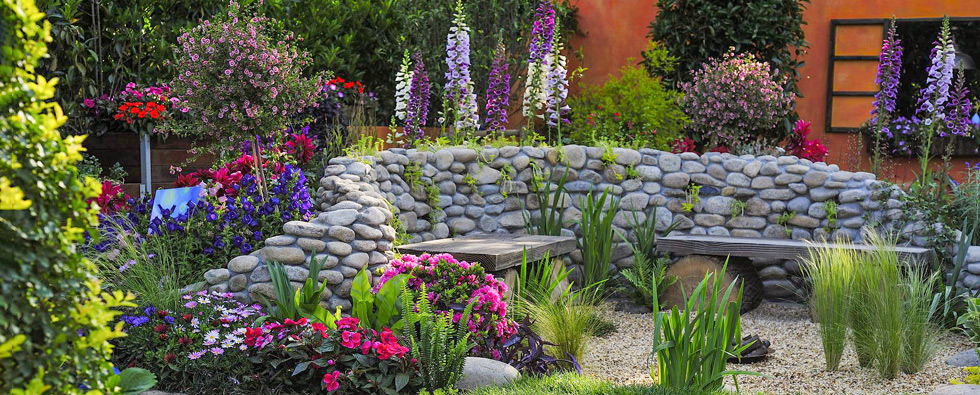
Utilising nature and green infrastructure can create visually Beautiful places that are culturally and environmentally rich. They should reflect the natural environment to enhance our wellbeing, improve mental health and promote relaxation. Green infrastructure should be linked visually and physically, as connectivity enhances public engagement with the natural environment while also providing communities a sense of ownership over natural spaces and are empowered to make decisions about how they are managed.
Green infrastructure should also be multifunctional, providing amenity space for formal and passive recreation and creating a haven for wildlife and biodiversity. It should aid the management of surface water drainage by integrating surface water storage, bio-filtration cleaning and reuse, rain gardens, swales and attenuation ponds within the landscape. All publicly Accessible green spaces should be inclusive to all, accommodating people with disabilities through innovative design.
Nature provides opportunities for recreation, outdoor play and learning. It can contribute to regional and local distinctiveness and make a place more Beautiful for residents, visitors and potential investors. Green infrastructure can help prevent flooding, mitigate air and noise pollution and provide habitat for wildlife. In a climate emergency, nature-rich places can help mitigate the worst impacts. Biodiversity can be further promoted by utilising a range of plant and flower species, spaces to grow food for residents, providing new tree planting and creating places of shade as well as protection from the elements.
Places with Accessible, good quality greenspaces and well Connected active travel networks provide opportunities for physical activity, social interaction and a space to unwind and relax. Research shows that taking part in nature-based activities improves mental health and wellbeing.
Blackwood encourages the use of sustainable drainage systems (SuDS) for surface water drainage and promoting household water conservation and reuse where possible. Appropriately designed, constructed and maintained SuDS supports sustainable development through combining water management with green space with benefits for amenity, recreation and wildlife. SuDS are more sustainable than conventional surface water drainage methods as they can mitigate many of the adverse effects that stormwater run-off has on the environment.
Composting at home or at a neighbourhood level is also encouraged by Blackwood. Community hubs can be designed to incorporate energy centres for bio-waste, a bottle collection scheme and a grocery delivery and collection point. Waste can be used for Affordable energy-generation and can thereby potentially feed money back into the community.
Design Principles
- Utilising SuDS, swales and natural flood management systems
- Create a wide range of green and open spaces for multi-functional use
- Reinforcing landscape character with unique design features
- Reduce carbon footprint and sustainable use of materials with locally sources products
- Utilising renewable energy systems where possible.
- Providing habitats for wildlife and opportunities for biodiversity enrichment via a mixture of tree and flower planting.
- Contributing to and enhance the amenity and landscape of an area and to promoting community involvement and enjoyment
- Encourage exercise and physical activity by providing quality green space
- Provide opportunities for growing food locally and healthy eating
- Permeable paving for footpaths, parking, streets and access routes.