Overview
In today’s digital age, it is reasonable to expect that all aspects of modern life should be readily available at our fingertips and within our homes, and connectivity is as essential as traditional utilities such as water and electric.
Scotland’s 2018 Digital Health and Care Strategy recognised the transformative potential of technology and set out an ambitious strategic direction to embrace the opportunities it presents. The link between health and well-being and being digitally connected is well established; it offers the ability to access the online world to improve self-management of conditions, give better access to services and digital health tools and allows for collaboration and social inclusion.
In 2016 the United Nations declared that online freedom is a human right that must be protected. While their focus is on the condemnation of countries that intentionally restrict its citizens internet access, their reaction demonstrates the importance placed on digital inclusion.
COVID-19 further highlighted the importance of digital access with contact tracing, vaccine passports and reporting test results predominantly moving online. Applying for Universal Credit can only be done online, and public services are rapidly looking to digitise activities where possible, so access to the internet is a critical utility as fundamentally important as shelter, water and electricity.
Connectivity
Connectivity is a key element of the Digital Strategy for Scotland, in which the Scottish Government committed to enabling connectivity to every home and business. 95% of premises across Scotland are now able to access fibre broadband – up from just 59% in 2014, yet 21% of social housing households do not have access to the internet at home.
The main barrier to digital access is cost. The affordability of internet packages and the upfront cost of purchasing a device is a difficult decision for low income household as concerns about money heighten in the current cost of living crisis. Disparity around access to digital solutions creates further inequality, relying on a pay-as-you-go mobile connection that needs to be rationed throughout the month, or failing credit checks to take out a broadband contract.
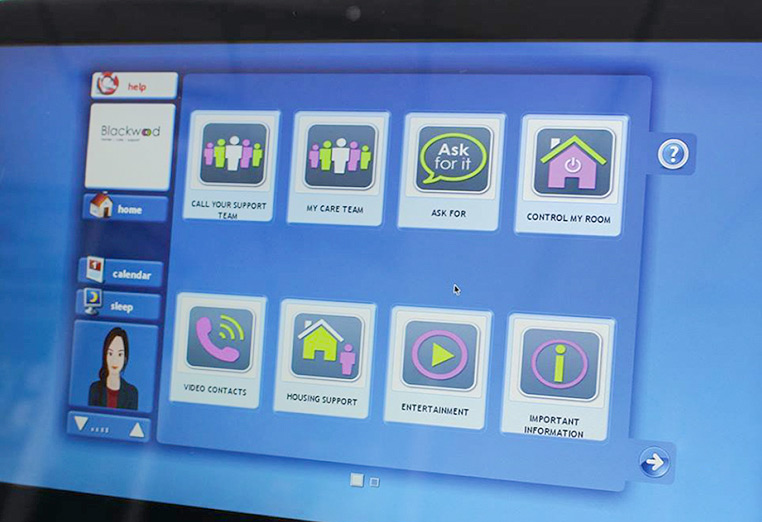
Providing internet infrastructure at build stage is becoming more common place in development, but that still doesn’t solve social or economic challenges to getting an internet package. To address this the Blackwood House is serviced by a shared Fibre to the Premises (FTTP) connection (where available) and Wi-Fi connectivity is provided in the home and throughout the wider building including outdoor space. Considering the provision of internet as part of the fabric of the home enables the cost of the service to be captured as part of the rent payment, removing any barriers and providing a live internet connection from day 1.
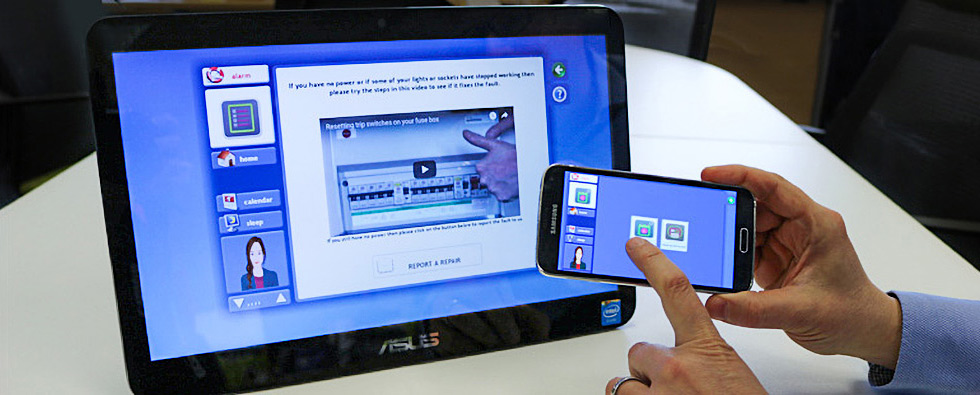
Connected homes and buildings also benefits the landlord, not only does it ensure each tenant can interact with you online, it also allows for remote monitoring and control of some maintenance functions such as smart communal lighting.
Digital Exclusion
Access to a suitable device and an internet connection is only part of the solution, people also need the skills, encouragement and motivation to confidently and safely utilise the online world. According to Good Things Foundation, 11.3 million people in the UK do not have the basic digital skills that would allow them to actively participate and thrive in today’s world and the Scottish Government estimates 19% of (c 1.million) people have no digital skills at all. Digital exclusion is a complex, multifaceted issue with strong correlations to poverty and far reaching consequences such as fewer opportunities to access employment and learning opportunities, isolating marginalised groups such as those with disabilities or young carers and challenges even accessing public services due to difficulties in completing required forms online.