
Inclusive Streets
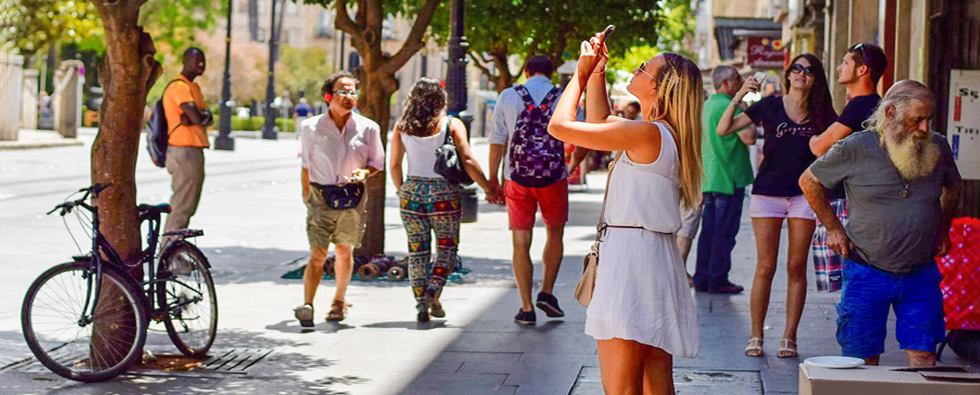
Walkable Neighbourhoods are designed to promote Accessible use for example walking, cycling and sustainable transport. These places are planned to reduce the need to travel and include a mix of uses, green spaces and facilities to support new development.
Blackwood aim to deliver healthy and inclusive streets with a focus on Accessible neighbourhoods not reliant on car journeys to access local shops and services.
We aim to create healthy communities, Beautiful places, and Beautiful buildings that both, promote good health and wellbeing and, address health inequalities and climate changes through, for example reducing the use of energy and water, using more renewable energy, and increasing more and better sustainable transport choices including walking and cycling. Good quality inclusive streets can be made Beautiful and Affordable with careful design considerations, selection of materials and specification of street furniture.
Shared Space
Shared Space is a concept that a street or place is to be Accessible to both pedestrians and vehicles and is designed to enable pedestrians to move more freely by reducing vehicle dominance.
Achieving this reduction can be assisted by the minimal use of traffic signs, road markings and other traffic management features where appropriate. With less, or no, traffic management measures, motorists are encouraged to recognise the space as different, drive more slowly, and respond directly to the behaviour of other users providing a well Connected space for all. By removing the segregation between vehicles and pedestrians, shared streets become the extension of front yards, places to meet neighbours, and build communities. Shared treatments can not only make streets safer but also more social.
Ensuring Inclusive Design
Shared Space, and level surfaces in particular, can cause problems for some disabled people. It is therefore important that level surface schemes include an alternative means by which visually-impaired people and those with other disabilities can navigate safely. This can be achieved with textured surfaces, physical demarcation lines or physical installations (trees, planting, seating etc) to provide a barrier between shared spaces.
Blackwood is keen to explore and implement shared spaces throughout although further research and co-design sessions are encouraged to ensure successful implementation.
Design principles
- Accessible & Inclusive so everyone can use streets safely, easily and with dignity.
- Responsive taking account of what people say they need and want.
- Flexible so different people can use them in different ways.
- Convenient & Connected so everyone can use them without too much effort or separation.
- Accommodating for all people, regardless of their age, gender, mobility, ethnicity or circumstances.
- Welcoming with no disabling barriers that might exclude some people.
- Realistic offering more than one solution to help balance everyone’s needs
- Material and furniture finish choices to read alongside planting to create a Beautiful streetscape for all to enjoy
- Textured transition to provide cues between pavements, planting areas, crossings and street
- Buffer Zones to provide a space/break between the pavement and street/ planting, cycle storage, seating etc can be used
- Seating/breakout spaces to create dedicated seating areas and breakout spaces for people to talk/utilise for other activities
- Wider pathways provide space for conversations and circulation for wheelchair users etc. dedicated cycle lanes for increased cycle activity and sustainable transport
- Lighting to improve upon street lighting and highlight seating/breakout spaces to improve vision and also security.
- Affordable & sustainable material and furniture choices.